

Payments & FinTech · 11.17
Payment Dispute Management
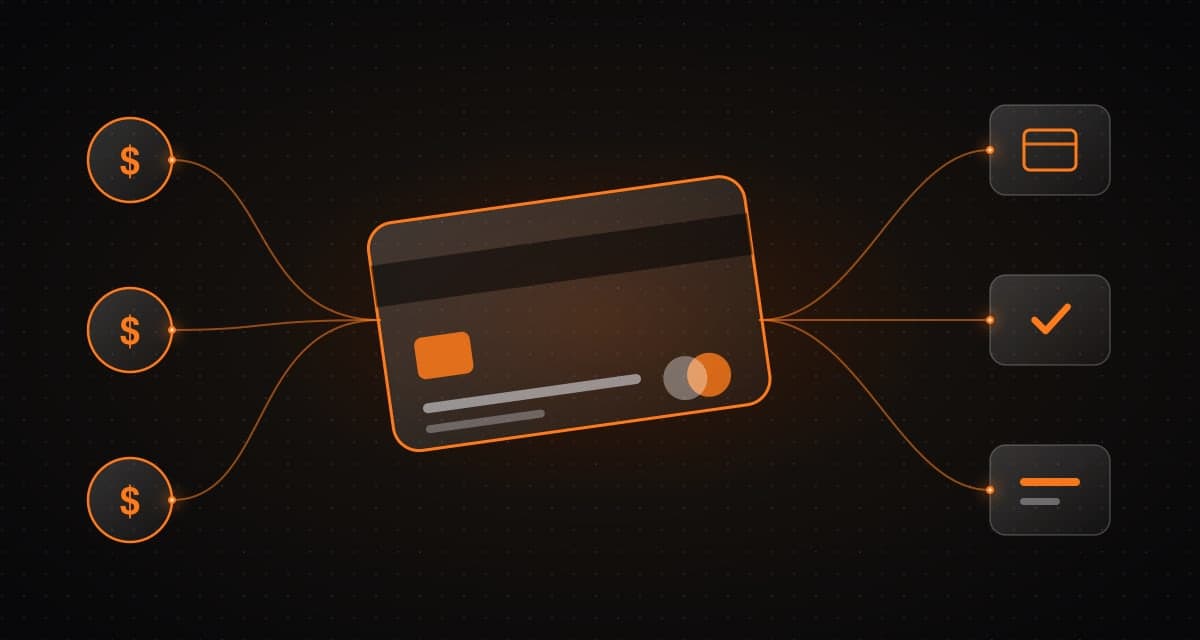
Workflows organise dispute notifications, deadlines, evidence, communications, and case status, integrated with provider or ticketing systems.
What it is and how it works
Workflows organise dispute notifications, deadlines, evidence, communications, and case status, integrated with provider or ticketing systems.
Who it is for
Teams losing track of dispute deadlines and evidence.
What is typically included
- Dispute notifications and deadlines
- Evidence and communications
- Case status
- Provider or ticketing integration
Client benefit
Teams respond more consistently and avoid losing track of deadlines.
Keep in mind
Outcomes depend on provider rules and the evidence available.
Typical deliverables
The final list depends on discovery and the scope we agree together.
- 01
Dispute management workflow
- 02
Deadline tracking
- 03
Case history
How we deliver
- Step 1
Discover
Map the workflow, data, risks and constraints before any design work starts.
- Step 2
Architect
Define the system, integrations and human-approval points as a reviewable design.
- Step 3
Build
Deliver a practical first slice, then extend it in small, tested increments.
- Step 4
Operate
Monitor, secure and continuously improve the system after launch.
Common questions
What decides outcomes?
Provider rules and the evidence available.
What does the workflow improve?
Consistency and avoiding lost deadlines.
Related reference architectures
Next
Talk through your system with our engineers.
Share the problem and constraints. We will map relevant capabilities to your goals, existing systems and timeline, then define scope and measurable outcomes.