

Payments & FinTech · 11.13
Automated Payment Reconciliation
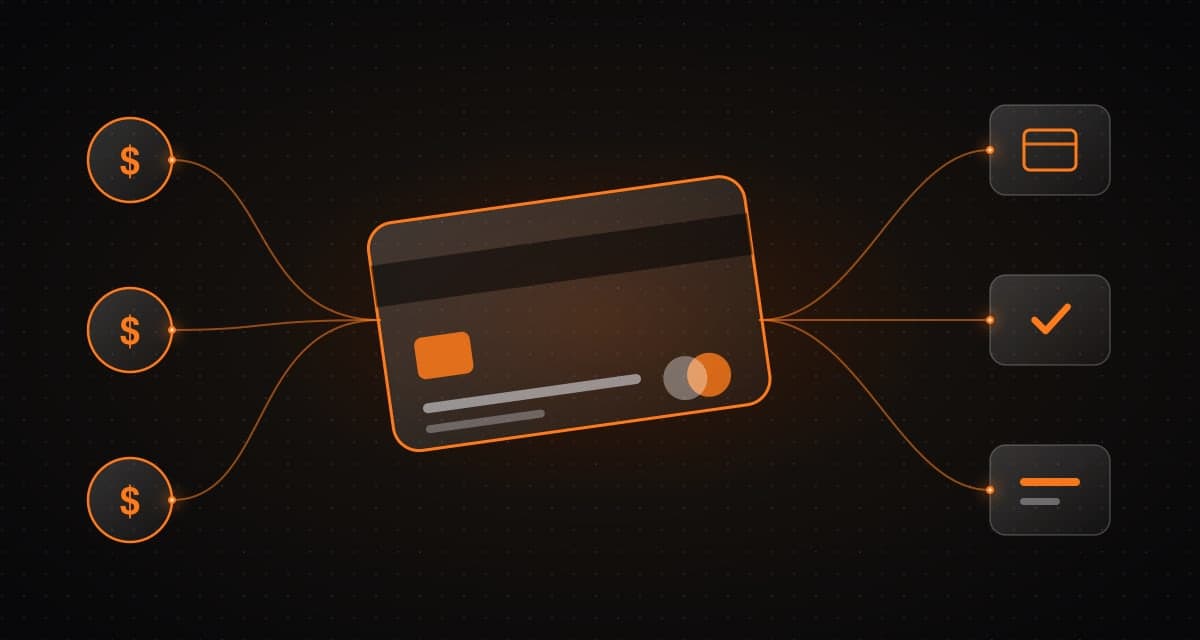
We match gateway, bank, order, invoice, settlement, and ledger records using references and rules, routing unmatched items for review.
What it is and how it works
We match gateway, bank, order, invoice, settlement, and ledger records using references and rules, routing unmatched items for review.
Who it is for
Finance teams matching gateway, bank and ledger records by hand.
What is typically included
- Matching gateway, bank, order, invoice and ledger records
- Rules based on references
- Review of unmatched items
- Accurate source data
Client benefit
Finance teams reduce spreadsheet work and find discrepancies faster.
Keep in mind
Accurate source data and reviewable exceptions remain important.
Typical deliverables
The final list depends on discovery and the scope we agree together.
- 01
Reconciliation engine
- 02
Exception review queue
- 03
Matching rules
How we deliver
- Step 1
Discover
Map the workflow, data, risks and constraints before any design work starts.
- Step 2
Architect
Define the system, integrations and human-approval points as a reviewable design.
- Step 3
Build
Deliver a practical first slice, then extend it in small, tested increments.
- Step 4
Operate
Monitor, secure and continuously improve the system after launch.
Common questions
What remains important?
Accurate source data and reviewable exceptions.
What does it reduce?
Spreadsheet work, while finding discrepancies faster.
Related reference architectures

Next
Talk through your system with our engineers.
Share the problem and constraints. We will map relevant capabilities to your goals, existing systems and timeline, then define scope and measurable outcomes.