

Cloud & DevOps · 7.3
Server Deployment & Configuration
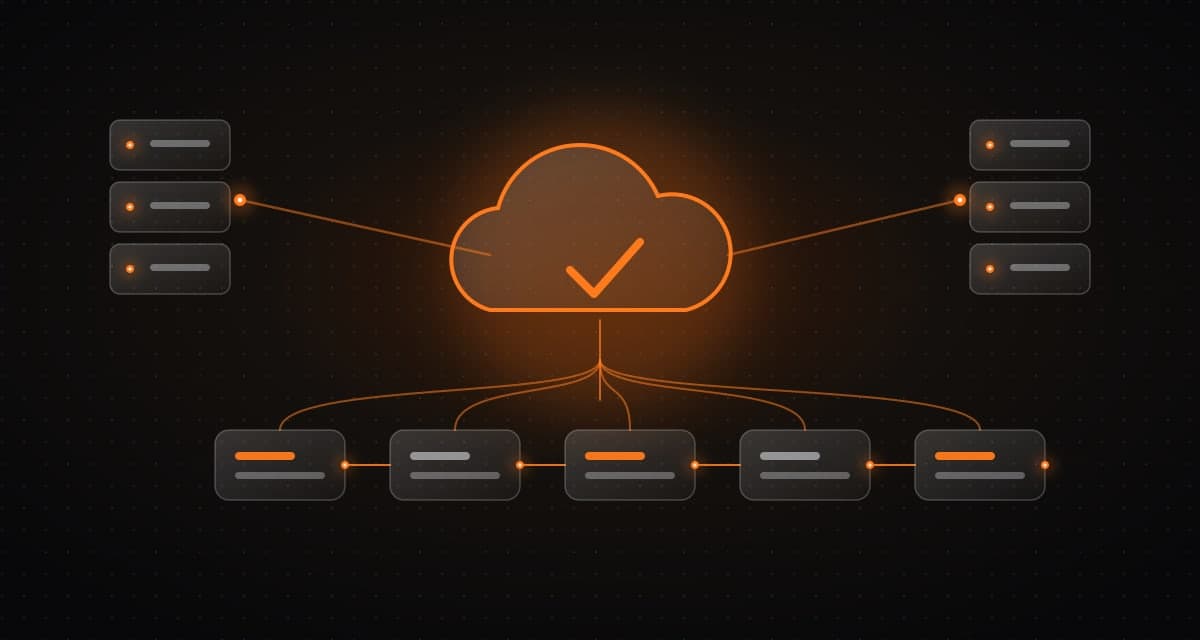
We configure runtimes, process managers, reverse proxies, environment variables, logs, and service startup for the chosen hosting environment.
What it is and how it works
We configure runtimes, process managers, reverse proxies, environment variables, logs, and service startup for the chosen hosting environment.
Who it is for
Teams running applications on servers who need a standard, maintainable set-up.
What is typically included
- Runtimes and process managers
- Reverse proxies and environment variables
- Logs and service start-up
- Controlled handling of secrets and production changes
Client benefit
Standardised deployment makes services easier to maintain and troubleshoot.
Keep in mind
Secrets and production changes need controlled handling.
Typical deliverables
The final list depends on discovery and the scope we agree together.
- 01
Configured servers
- 02
Deployment documentation
- 03
Operational runbook
How we deliver
- Step 1
Discover
Map the workflow, data, risks and constraints before any design work starts.
- Step 2
Architect
Define the system, integrations and human-approval points as a reviewable design.
- Step 3
Build
Deliver a practical first slice, then extend it in small, tested increments.
- Step 4
Operate
Monitor, secure and continuously improve the system after launch.
Common questions
Why standardise deployment?
It makes services easier to maintain and troubleshoot.
How are secrets handled?
Secrets and production changes need controlled handling, which we set up.
Next
Talk through your system with our engineers.
Share the problem and constraints. We will map relevant capabilities to your goals, existing systems and timeline, then define scope and measurable outcomes.