

Cloud & DevOps · 7.5
Production Monitoring & Reliability
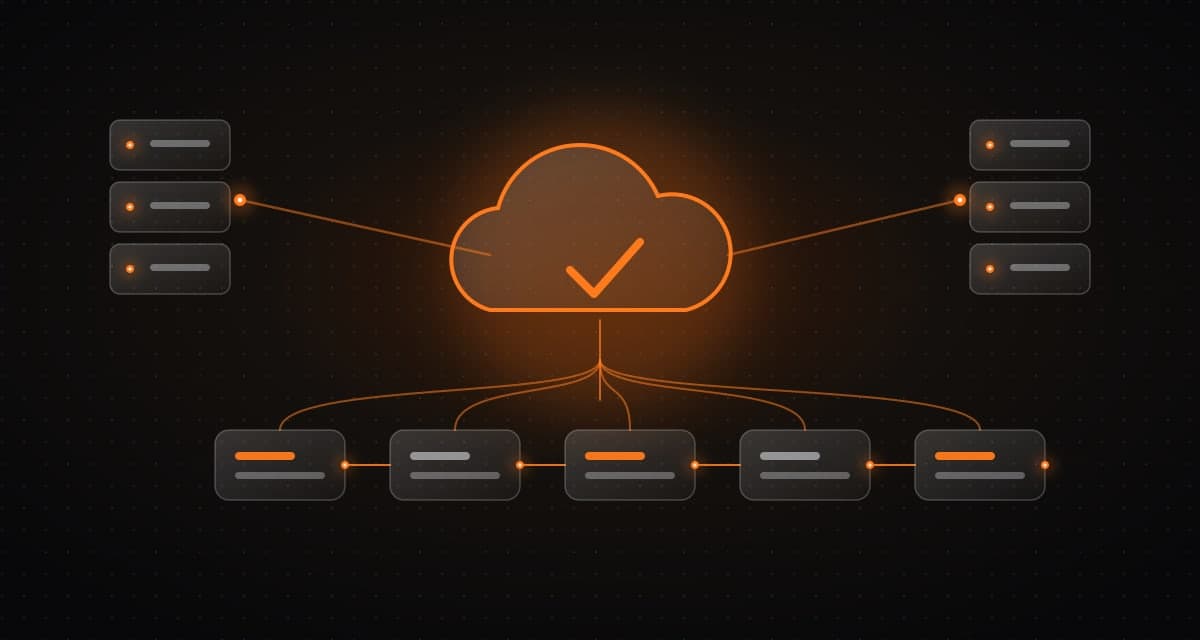
We use metrics, logs, traces, uptime checks, and alerts to show application and infrastructure health.
What it is and how it works
We use metrics, logs, traces, uptime checks, and alerts to show application and infrastructure health.
Who it is for
Teams that learn about outages from customers instead of from their own monitoring.
What is typically included
- Metrics, logs and traces
- Uptime checks and alerts
- Dashboards for application and infrastructure health
- Alert ownership and response steps
Client benefit
Teams can detect failures and recurring bottlenecks faster.
Keep in mind
Alerts need clear ownership and actionable response steps.
Typical deliverables
The final list depends on discovery and the scope we agree together.
- 01
Monitoring and alerting stack
- 02
Dashboards
- 03
Response guidance for key alerts
How we deliver
- Step 1
Discover
Map the workflow, data, risks and constraints before any design work starts.
- Step 2
Architect
Define the system, integrations and human-approval points as a reviewable design.
- Step 3
Build
Deliver a practical first slice, then extend it in small, tested increments.
- Step 4
Operate
Monitor, secure and continuously improve the system after launch.
Common questions
Why do alerts need owners?
Alerts need clear ownership and actionable steps to be useful.
What does it help detect?
Failures and recurring bottlenecks faster.
Next
Talk through your system with our engineers.
Share the problem and constraints. We will map relevant capabilities to your goals, existing systems and timeline, then define scope and measurable outcomes.