

AI & Automation · 1.7
AI-Powered Enterprise Intelligence
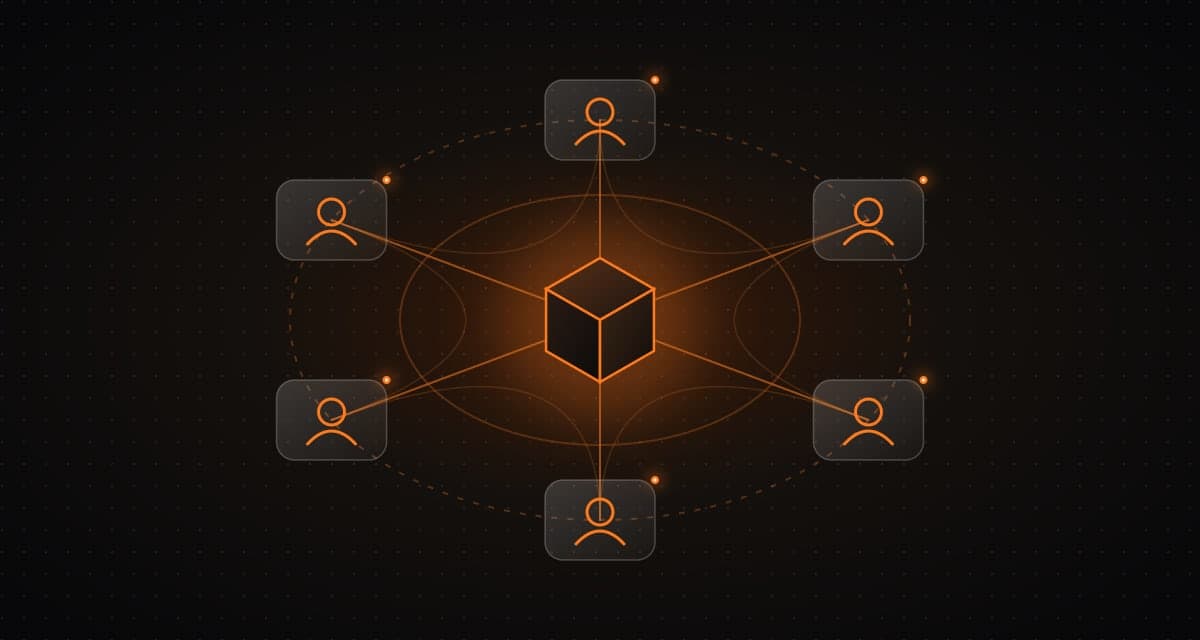
Enterprise intelligence connects selected business data, search, analytics, and AI interfaces to help teams explore information and understand trends.
What it is and how it works
Enterprise intelligence connects selected business data, search, analytics, and AI interfaces to help teams explore information and understand trends.
Who it is for
Leaders and analysts who spend too much time assembling reports from scattered data to understand trends.
What is typically included
- Selecting and connecting the business data sources
- Defining metrics and data-quality rules
- Search, analytics and conversational interfaces over approved data
- Permissions and auditability for sensitive information
Client benefit
Decision-makers spend less time assembling reports and more time acting on insights.
Keep in mind
Data quality, permissions, and metric definitions are part of the design.
Typical deliverables
The final list depends on discovery and the scope we agree together.
- 01
Enterprise intelligence interface over selected data
- 02
Metric definitions and data-quality notes
- 03
Access model and usage guidance
How we deliver
- Step 1
Discover
Map the workflow, data, risks and constraints before any design work starts.
- Step 2
Architect
Define the system, integrations and human-approval points as a reviewable design.
- Step 3
Build
Deliver a practical first slice, then extend it in small, tested increments.
- Step 4
Operate
Monitor, secure and continuously improve the system after launch.
Common questions
How is this different from a standard dashboard?
Dashboards show fixed views. Enterprise intelligence adds search and AI interfaces so people can ask questions and explore, while the underlying metrics stay governed.
What makes the answers trustworthy?
Agreed metric definitions, data-quality checks, permissions and source references, so results can be checked rather than taken on faith.
Next
Talk through your system with our engineers.
Share the problem and constraints. We will map relevant capabilities to your goals, existing systems and timeline, then define scope and measurable outcomes.