
Enterprise software · Content governance
Case StudiesEnterprise Software
AI-Powered Digital Asset Management & Content Governance
Intelligent content discovery, enterprise document intelligence & secure digital asset lifecycle management
Intelligent content discovery, document intelligence, permission-aware semantic search, and secure digital asset lifecycle management.
Overview
Understand, Discover, and Govern Enterprise Content
Organisations generate vast digital content—documents, media, contracts, reports, and marketing assets—often scattered across drives, apps, and department repositories. Employees struggle to find current versions, ownership, permissions, and consistent governance. Traditional storage lacks contextual intelligence. Bracket & Bit proposes an AI-powered DAM and Content Governance Platform combining document processing, semantic search, classification, access management, and lifecycle tracking—central repository or intelligence layer on existing storage. Proposed solution concept—not a verified client deployment.
The challenge
Storage Without Context Does Not Scale
Content fragmentation
Assets spread across cloud drives, apps, and department repositories.
Difficult asset discovery
Folders and filenames fail when employees need content by meaning.
Version confusion
Multiple versions lead to outdated or incorrect information in use.
Access management
Sensitive documents need role- and document-level controls.
Manual classification
Organising large libraries manually does not scale.
Limited content visibility
Ownership, usage, status, and retention are often unclear.
Governance challenges
Retention, approval, and audit policies vary across repositories.
Proposed approach
DAM Plus AI Content Intelligence
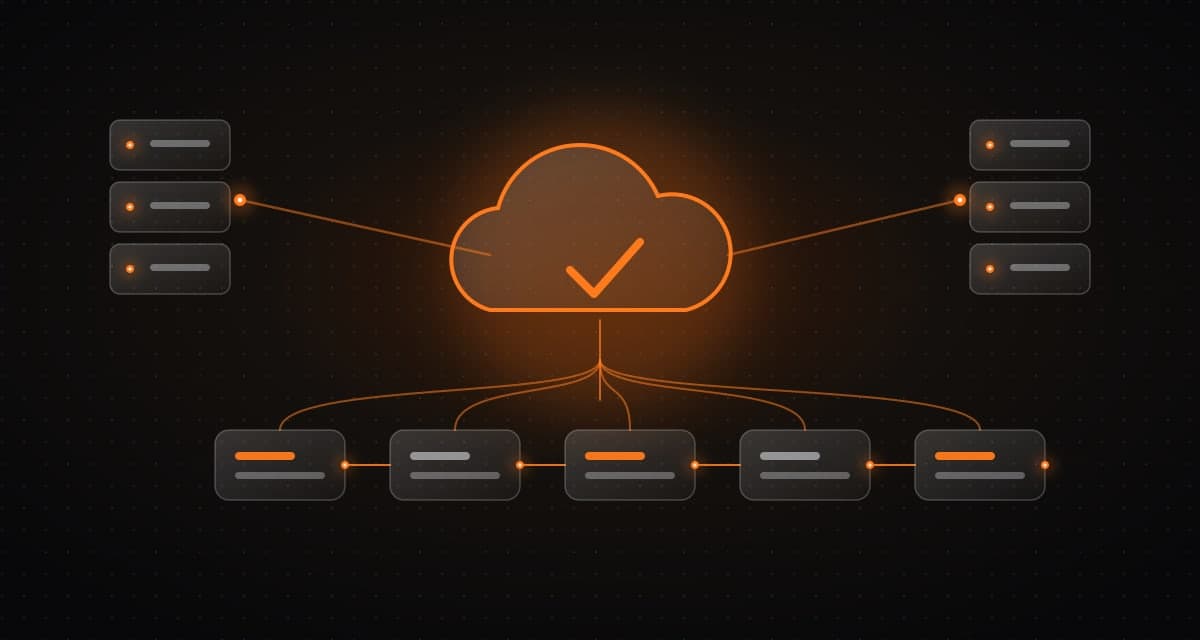
Operate as a central repository or as an intelligence layer on existing enterprise storage.
Connect repositories
Centralise or federate approved digital asset sources.
Proposed solution
Seven Modules for Content Governance
Unified digital asset repository
Structured access to documents, media, contracts, technical docs, marketing, and compliance content.
AI content classification
Type, topic, entities, language, keywords, duplicates—tags reviewable by authorised users.
Semantic search & discovery
Meaning-based queries with keyword, metadata, and vector retrieval—permission-filtered results.
Document understanding
Summaries, clauses, dates, comparison, key sections—linked to source assets.
Version & lifecycle management
History, ownership, approval, publication, expiry reminders, archival, and retirement.
Access control & governance
RBAC, department scope, secure sharing, access requests, downloads, audit logging.
Workflow automation
Submission, review, publishing, contract expiry, policy review, archival, ownership changes.
Reference architecture
Seven Layers From Sources to Dashboard
Digital asset sources
Cloud storage, enterprise repositories, DMS, media libraries, and internal business applications.
Example workflow
Monthly Ingest of Internal & Marketing Assets
Illustrates proposed capability—not a verified production deployment.
- 1
Employees upload assets or connected repositories sync approved files.
- 2
Platform validates and indexes incoming content.
- 3
AI suggests metadata, categories, and tags.
- 4
Possible duplicate assets are flagged.
- 5
Assets are assigned to department or project.
- 6
Items requiring approval enter the review workflow.
- 7
Approved content becomes discoverable to authorised users.
- 8
Employees use semantic search to locate relevant information.
- 9
Version changes and review deadlines are tracked.
- 10
Activity is recorded for governance and reporting.
Operations
Enterprise Asset Management Dashboard
Views for administrators, department managers, content teams, and employees.
- Total digital assets
- Storage utilisation
- Asset categories
- Recently uploaded content
- Documents awaiting approval
- Duplicate asset alerts
- Expiring documents
- Archived content
- Department-level ownership
- Access and usage activity
Illustrative discovery
Semantic Search With Permission Boundaries
Example queries only—production search must filter by document-level access before results display.
Authorised results
- Vendor_MSA_2026_FINAL.pdf · Legal · Approved v3
Security, privacy & governance
Permission-Aware Indexing—Never Bypass Source Controls
- Encryption in transit and at rest, RBAC, MFA, permission-aware indexing, tenant isolation
- Secure storage, sharing, retention, deletion/archival controls, API auth, admin monitoring
- Respect existing repository permissions and organisational data governance—no permission bypass
- AI summaries and extractions traceable to source documents; distinguish generated interpretation
Technology
Proposed Technology Stack
Depends on asset volume, file types, storage infrastructure, security, and integrations.
Application
- Next.js
- React
- TypeScript
- Node.js
- Python
- FastAPI
Search & AI
- Elasticsearch
- OpenSearch
- Vector DB
- RAG
- OCR
- Embeddings
Data & storage
- PostgreSQL
- MongoDB
- S3-compatible storage
- Object storage
Platform
- BullMQ
- Redis
- Docker
- Kubernetes
- Prometheus
- Grafana
Expected value
Measure Gains Through Implementation Data
Search time, retrieval accuracy, storage efficiency, and productivity require operational measurement—not claimed here.
- Better discoverability and less manual classification
- Clearer versioning and reduced use of outdated content
- Stronger access governance and approval workflows
- Easier retrieval of enterprise knowledge with permission safety
- Improved visibility into ownership, lifecycle, and usage
- More consistent information management across repositories
Implementation
From Assessment to Governed DAM Rollout
- 1
Asset & repository assessment
Map storage systems, categories, ownership, access, retention, integration boundaries.
- 2
Repository foundation
Asset UI, approved source integrations, secure ingestion, metadata structures.
- 3
AI content intelligence
Document processing, classification, metadata extraction, duplicate detection.
- 4
Semantic search
Embeddings, vector and keyword search, filters, permission-aware retrieval.
- 5
Governance & automation
Versioning, approval workflows, access controls, retention and archival.
- 6
Testing & deployment
Search relevance, permission tests, classification accuracy, security review, monitored rollout.
Related case studies


Easier Discovery. Safer Management. More Valuable Content.
Discuss repository integration, semantic search, classification, and governance workflows for your asset landscape.